

Gill’s Club Strengthens Science Education and Ocean Connection for Children in Galápagos
, April 29, 2026
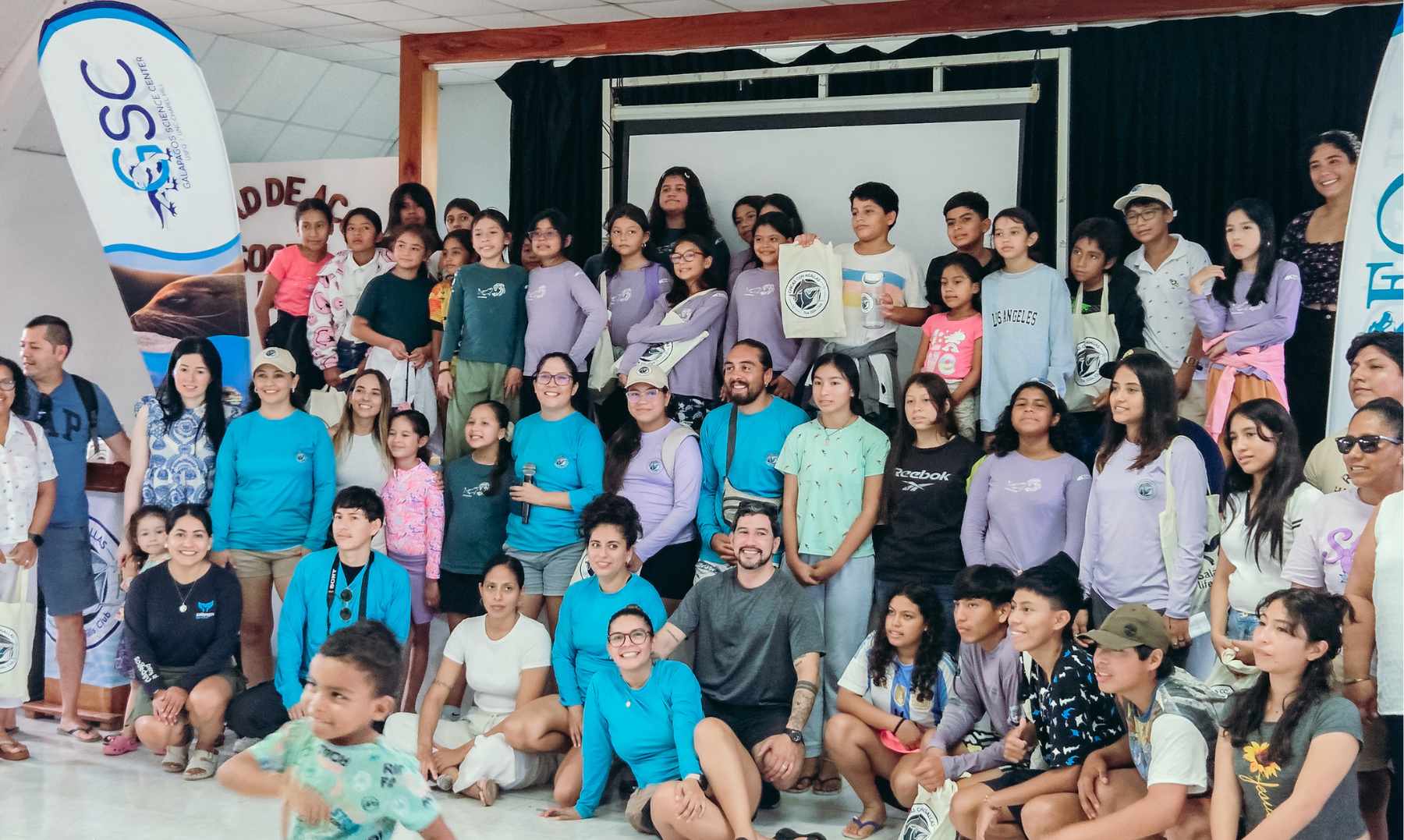
The Gill’s Club – Galápagos project, funded by the Galápagos Life Fund (GLF) through its first call for proposals, concluded with important achievements in science education, inclusion, and strengthening children’s connection to the archipelago’s marine environment.
Between August 2025 and April 2026, the initiative established itself as a high-impact educational and community program, reaching participants from all four inhabited islands of Galápagos — Isabela Island, Floreana Island, Santa Cruz Island, and San Cristóbal Island — for the first time since the club was created.
The project addressed two key challenges in the region: persistent gender gaps in access to opportunities related to science, technology, and conservation, and the limited availability of educational spaces and meaningful learning experiences for children in local communities.
Through an experiential and hands-on educational approach, the program combined classroom activities, field experiences, and practical learning opportunities connected to the ocean and the unique biodiversity of Galápagos.
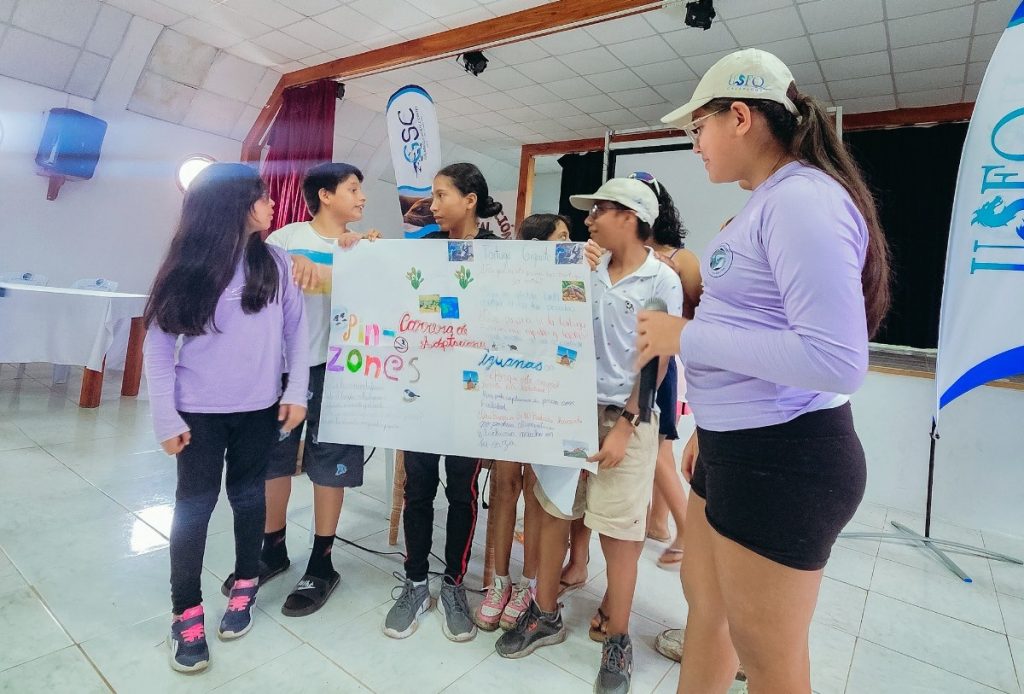
As a result, 56 children participated directly in the program, with a special focus on girls from communities with limited access to the sea. The initiative was supported by eight local facilitators and more than 20 volunteers across the islands. In addition, nine female scientists participated as mentors and role models, strengthening the program’s inspirational component and helping reduce gender gaps in STEM fields.
One of the project’s most meaningful components was the creation of safe learning spaces and access to experiences that are often difficult for local families to reach due to economic or logistical barriers. Participants visited ecologically important natural sites and learned about conservation initiatives being implemented on each island.
Activities included learning about the cat shark conservation project on Floreana, coral restoration processes on Isabela, microplastic pollution on beaches in Santa Cruz, and scientific field data collection techniques in San Cristóbal.
As part of the practical component, 22 ocean-based activities were carried out across the four islands, including swimming, snorkeling, kayaking, and sailing. For more than half of the participants, this was their first experience in the ocean under safe and guided conditions. By the end of the program, organizers observed a significant increase in participants’ confidence and autonomy in the water.
Assessments conducted at the beginning, midpoint, and conclusion of the project showed positive results. More than 75% of participants improved their knowledge of species, scientific concepts, and conservation topics. Significant qualitative changes were also observed in personal confidence, active participation, and participants’ sense of connection and belonging to their environment.
For the Galápagos Life Fund, this project demonstrates how investment in inclusive, locally grounded science education can generate lasting impacts in island communities, while strengthening the commitment of future generations to the conservation of Galápagos.
Learn more about the project https://galapagoslifefund.org.ec/glf_proyectos/girls-with-gills-club-galapagos/
Related Content
-
Partnerships for the Future of Our Oceans
Read More -
Funding That Creates a Lasting Impact for Galápagos Children
Read More... -

Strengthening Support for Fishing Cooperatives
Read More...