

Youth for Conservation
MATEO
BETWEEN SOCCER AND CONSERVATION

“Honestly, I want to be a soccer player. But if another opportunity comes along, I would choose to protect nature.”

 Puerto Baquerizo Moreno
“Honestly, I want to be a soccer player. But if another opportunity comes along, I would choose to protect nature.”
Puerto Baquerizo Moreno
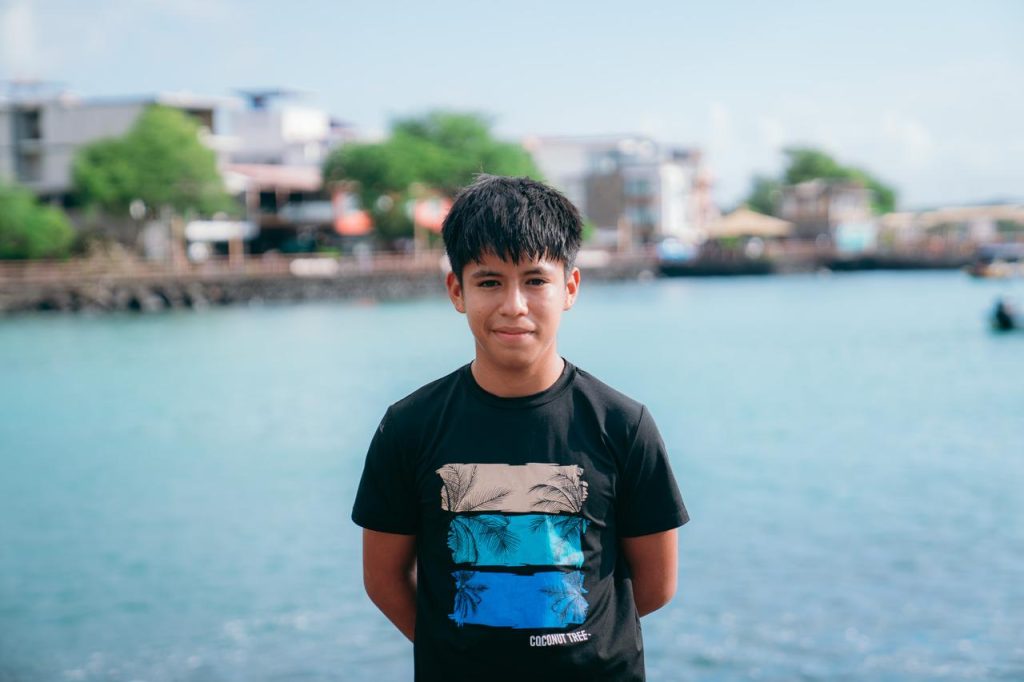
He trains at night, and whenever he has the chance, he heads to the beach with his friends to swim, relax, and enjoy the ocean. Mateo lives on San Cristóbal Island, surrounded by some of Galápagos’ most extraordinary ecosystems. Through his participation in the ACCIÓN “Heroes of Hermandad” Program, implemented by the Ecuadorian Conservation Foundation Education 4 Nature Galápagos with funding from the Galápagos Life Fund (GLF), he has gained a deeper appreciation for just how special his island and the marine reserves that surround it truly are.
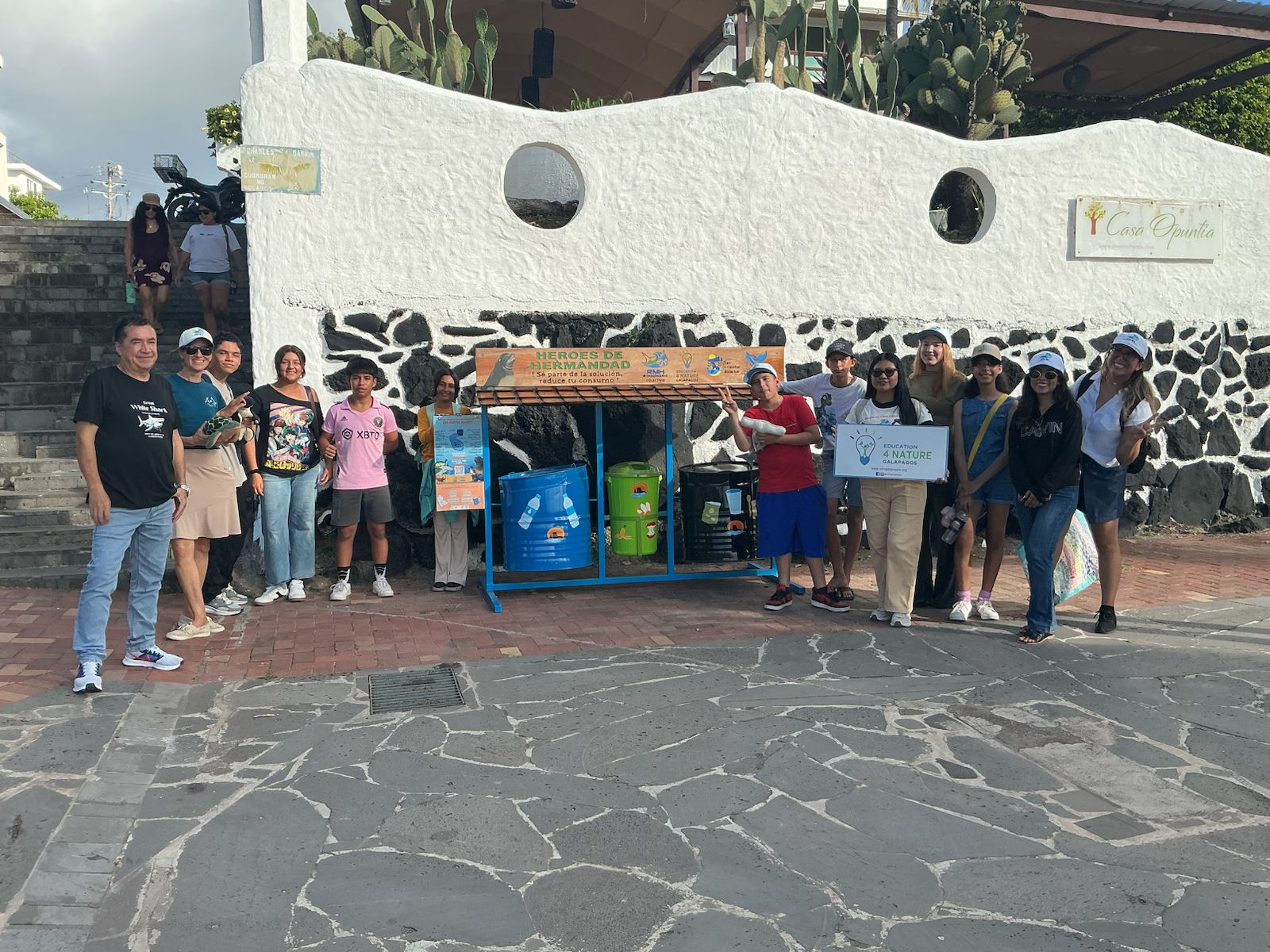
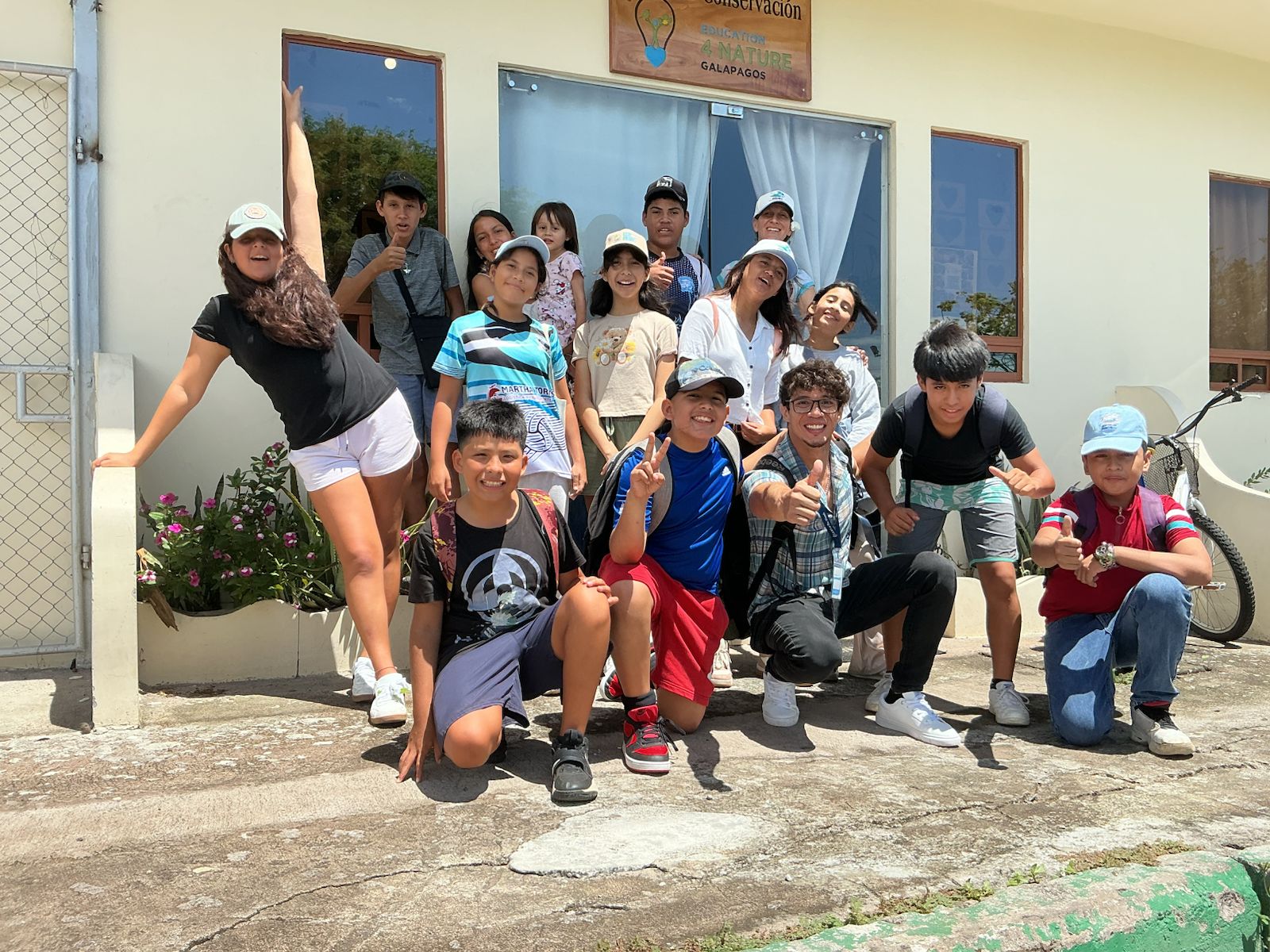
The activities carried out through the Creating a Collective Imaginary of the Conservation Values of the Hermandad Marine Reserve project took his learning beyond the classroom. Mateo contributed ideas to the book Los Héroes de Hermandad, helped bring the project’s collective vision to life, participated in community workdays alongside volunteers from different countries, created cups from recycled materials for use aboard a tourist vessel, and visited different sites where he could experience the islands’ ecosystems firsthand.
Some of his favorite experiences were the trips to the beach, where he learned about intertidal zones and began to better understand how pollution affects the species that call Galápagos home.
But one lesson stayed with him in particular: trash does not simply disappear when we can no longer see it.
“It made me realize that the trash we throw away doesn’t completely disappear. It breaks down into smaller pieces and becomes microplastics, affecting Galápagos’ biodiversity, its plants, and its wildlife.”
That awareness began to shape his actions beyond the project. At school, when Mateo sees a classmate litter, he asks them to pick it up. They do not always listen.
So he picks it up himself.
It is not a major campaign or an organized activity. It is a simple, everyday gesture—but one that reflects one of the most meaningful outcomes of environmental education: when knowledge begins to change the way we act.
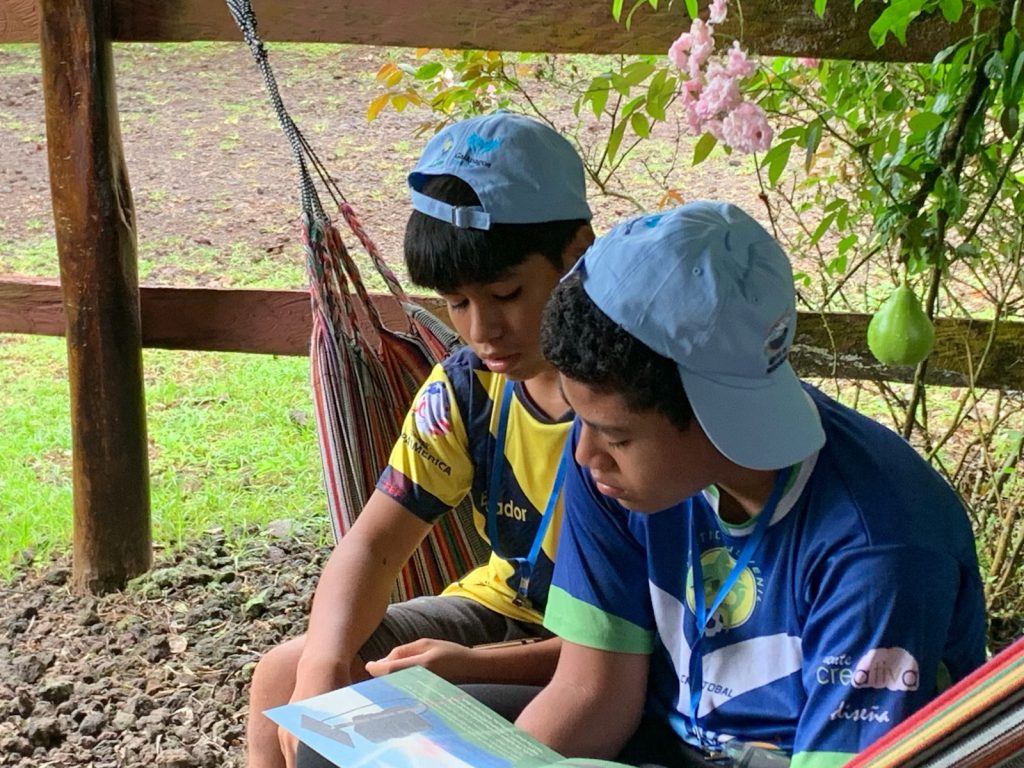
Mateo has also discovered new species and ecosystems along the way. Of all the animals he has learned about, one stands out as his favorite: the hammerhead shark.
He has not yet had the chance to see one in the ocean. For now, he knows hammerhead sharks through photographs and through what he has learned about their presence in Galápagos waters. He is fascinated by the idea that he shares his home with a species he is still waiting to encounter in the wild.
When he speaks to other young people in San Cristóbal, his message is simple: get involved. He encourages them to take part in initiatives like this one, to better understand what is happening to the species around them, and to recognize that protecting the islands also means protecting their own future.
“It made me realize that the trash we throw away doesn’t completely disappear. It breaks down into smaller pieces and becomes microplastics, affecting Galápagos’ biodiversity, its plants, and its wildlife.”
- MATEO
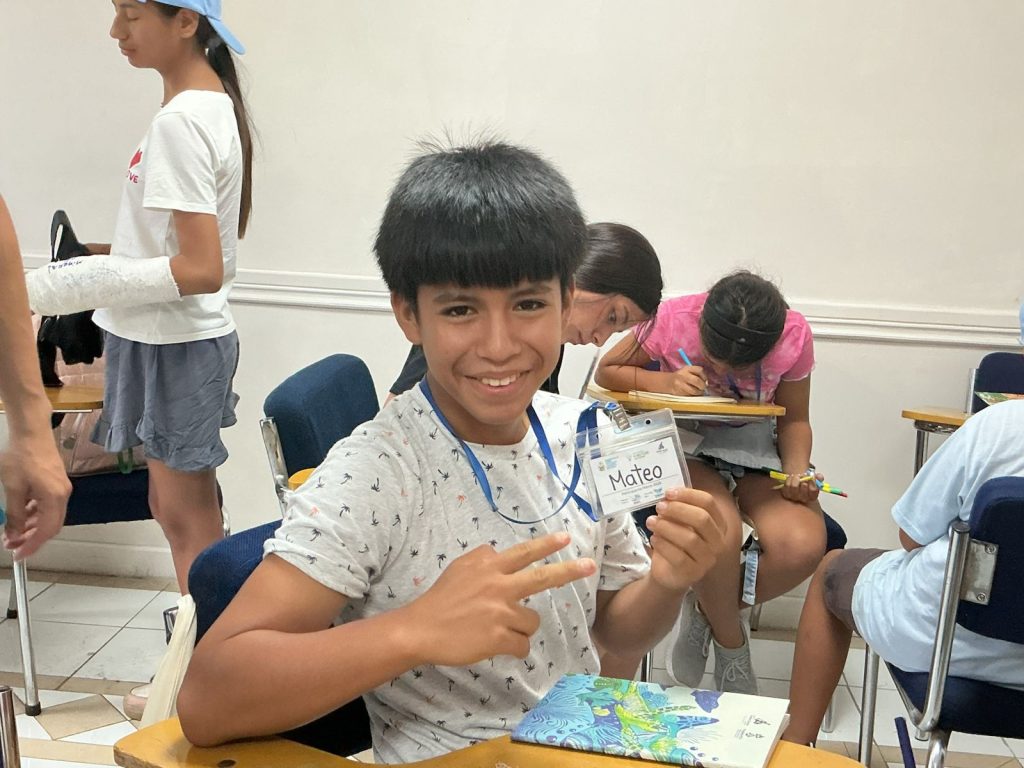
Despite everything he has learned, Mateo’s biggest dream has not changed.
“Honestly, I want to be a soccer player,” he says.
But when asked what he might choose if that dream does not work out someday, his answer reveals that conservation has already found a place among the possibilities he sees for his future.
“If another opportunity comes along and becoming a soccer player doesn’t work out, I’d choose to protect nature.”
Why?
“Because it’s what we breathe, it’s what we live from, and it’s what gives us peace.”
His first dream is still tied to a soccer ball. But at 14, Mateo has already discovered that other paths may be waiting for him.
And if life someday takes him in a different direction, he already knows where one of those paths could lead: toward caring for the islands and marine reserves he has learned to understand, value, and protect.